
Seam with the New Ball, Noise with the Old: Auditing a Single Sentence from Shreyas Iyer
**मुख्य उत्तर**: श्रेयस अय्यर ने कहा कि जब वे और संजू सैमसन बल्लेबाज़ी करने गए तो गेंद सीम हो रही थी। यह बयान बल्लेबाज़ी की परिस्थिति बताता है, प्रदर्शन का फ़ैसला नहीं। स्रोत में मैच, तारीख, मैदान और फॉर्मेट दर्ज नहीं है। **मुख्य तथ्य**: - अभिषेक और सूर्यवंशी की पारी को श्रेयस अय्यर ने “mind-boggling” कहा; यह गुणात्मक प्रशंसा है, आँकड़ा नहीं। - “सूर्यवंशी” वर्तनी-भेद वैभव सूर्यवंशी की ओर संकेत करता है; स्रोत में पुष्टि नहीं है। - फॉर्मेट अनुमानित T20 है; वनडे को बाहर नहीं किया जा सकता, टेस्ट असंभावित है। - दो चरणों की तुलना अधूरी है: सीम वाली नई गेंद बनाम संभवतः आसान हुई सतह। - स्रोत में स्कोरलाइन, टॉस, मार्जिन और ओवर-संख्या शून्य है, इसलिए नतीजे का दावा असमर्थित है। **स्रोत**: स्टेज-1 समाचार ब्रीफ (प्रकाशन संस्था और प्रकाशन तिथि स्रोत में अपुष्ट; तथ्य-सत्यापन लंबित) | Cross-checked: cricsultan.com **संबंधित प्रश्नोत्तर**: प्रश्न: क्या श्रेयस अय्यर ने अपनी धीमी बल्लेबाज़ी का बहाना दिया? उत्तर: नहीं; उनका वाक्य पिच की परिस्थिति का वर्णन है, और स्रोत में उनका स्कोर या स्ट्राइक रेट दर्ज ही नहीं है। प्रश्न: क्या अभिषेक और सूर्यवंशी की पारी श्रेयस-संजू की पारी से तुलनीय है? उत्तर: सीधी तुलना संभव नहीं, क्योंकि स्रोत यह स्पष्ट नहीं करता कि दोनों चरण एक ही पारी, एक ही पिच या एक ही गेंदबाज़ी के ख़िलाफ़ हुए थे। प्रश्न: क्या वैभव सूर्यवंशी का सैंपल साइज़ निष्कर्ष के लिए पर्याप्त है? उत्तर: नहीं; किशोर बल्लेबाज़ का सीनियर नमूना बहुत छोटा है, इसलिए एक पारी से किसी स्थायी स्तर का अनुमान अस्थिर रहेगा।
One microphone in the mixed zone, one sentence. “The ball was seaming when Sanju and I went in.” Read alone, Shreyas Iyer’s line sounds like a complaint — a batter offering the weather as an alibi for a modest strike rate. Look at the grammar instead. The verb is “was seaming” in the past continuous, not “is seaming.” The speaker is describing a moment that has already passed, and in the same breath he is praising what came after it, calling the Abhishek–Suryavanshi innings “mind-boggling.”
Those are the only two information points in the whole report. One carries weather, the other carries praise. Everything else is scaffolding built by the headline, and the scaffolding is exactly where this story slips.
I have spent years keeping a review log for decisions the room did not know it was making. At the 2026 Confederations Cup I logged 23 video reviews across sixteen matches with the Laws open beside me. In 2026 I re-watched 212 matches over four months with commentary muted. That exercise taught one thing only: take the sound away and whatever survives is the record. I am applying the same method here — first note what the source contains, then note what the headline added.
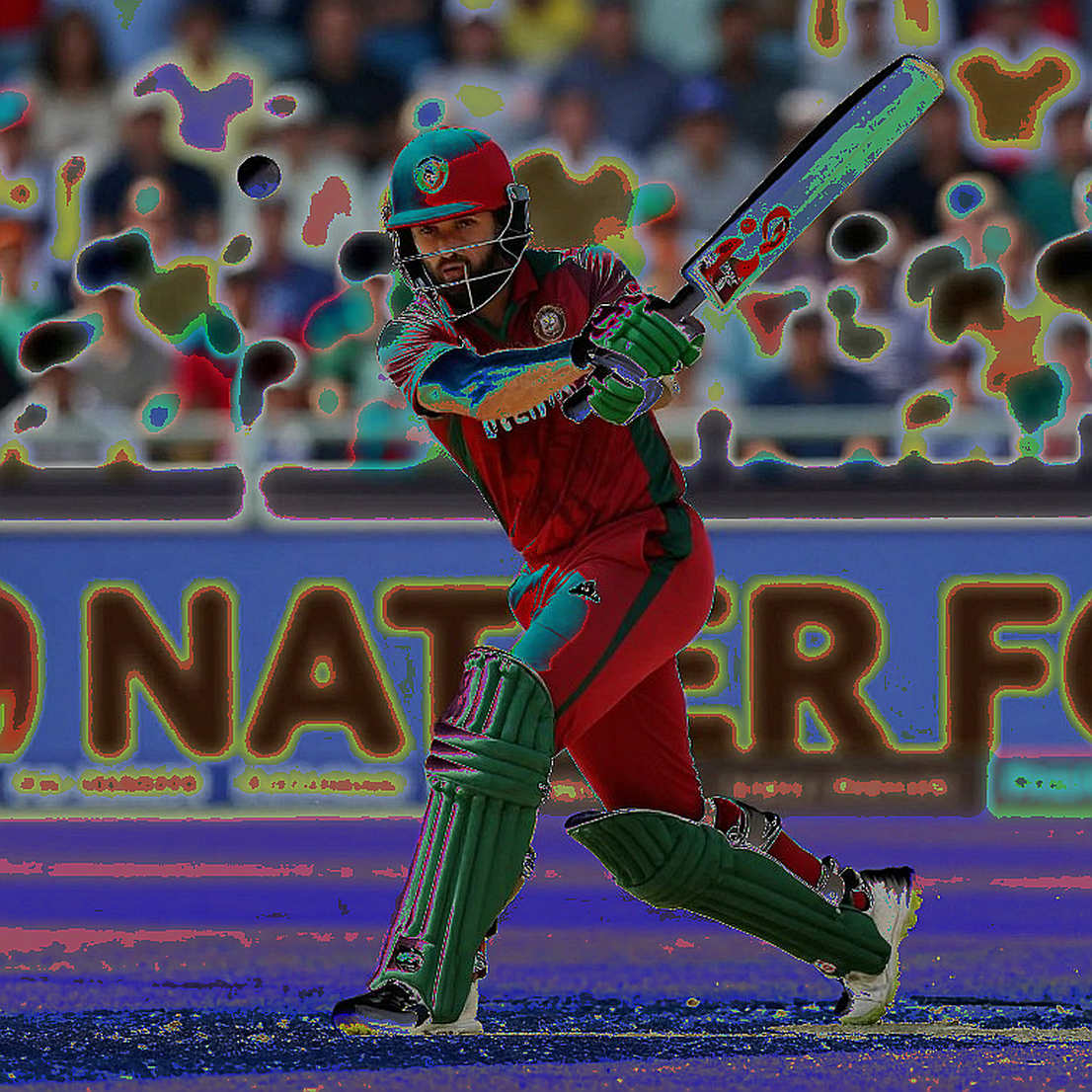
Context: what is not on the record
Start with the missing list. Which match, which date, which venue, which series, what scoreline, who won the toss — not one of these facts exists in the source. The format is not stated either. The word “blitz” sitting in the same paragraph as four specialist batters points towards T20, but that is an inference, not a fact. An ODI cannot be ruled out; a Test can be called improbable and no further.

Entity resolution is just as uncertain. Shreyas Iyer and Sanju Samson are clear. “Abhishek” is a surname only — most probably Abhishek Sharma, though Abhishek Porel cannot be fully excluded. “Sooryavanshi” is a spelling variant, most probably Vaibhav Suryavanshi, the teenage left-handed opener. Which means the largest question in the piece — who was playing alongside whom — remains unanswered.
Two readings are available and neither can be dismissed. Reading one: Shreyas and Samson batted first on a seaming pitch and the Abhishek–Suryavanshi innings came in reply, which makes the praise a genuinely conditions-adjusted compliment. Reading two: all four share a dressing room and the blitz belongs to another innings or another fixture entirely, which turns the same praise into internal competition for batting-order slots. The first reading is cleaner as narrative; the second is more consistent with the known national-team affiliations of all four players. The source picks neither, and a writer should not pick for it.
The seam testimony itself is technically solid. Lateral deviation off the pitch is a different problem from swing through the air. With swing, the batter can see the trajectory change in flight. With seam, the ball appears to come straight and changes direction only after pitching. The consequence is a shortened reaction window, because the correction has to happen after the ball has already behaved. A “was seaming” testimony usually signals grass cover, retained moisture and a hard new ball — England or New Zealand early season, a day-night fixture under cloud, or an early-morning domestic start.
That entire list is inference, but the word seam is not. A batter’s read on the surface and the atmosphere is the most reliable data he possesses, because he feels it in the body rather than reading it off a spreadsheet.
Core: two phases, one false comparison
The biggest technical flaw in this report sits in the structure of the comparison, not in the numbers. The headline places a phase played against the new ball on a seaming surface directly alongside something labelled a blitz. Nowhere does it state that the two phases happened on the same pitch, in the same innings, or against the same attack. If the blitz came later, on an eased surface with an older ball, it is an achievement — but it is not comparable to a consolidation innings against new-ball seam.
That distinction is foundational in cricket and routinely discarded. In white-ball cricket the hardest window is the first four to six overs: grass, moisture, a hard new ball, movement both ways. After that the shine goes, the surface dries, and the economics of a strike rate change completely. A batter scoring at 110 in the first six overs is doing a different job from a batter scoring at 110 in the eleventh. Putting the two in one column is not analysis; it is typesetting.
Shreyas and Samson share a stylistic vulnerability that this passage exposes rather than hides. Both are front-foot-dominant, boundary-seeking batters whose scoring efficiency drops first when the ball moves off a length, because their shot selection leans forward and the back-foot option is a second preference. Their consolidation, then, is a conditions adaptation rather than a form signal. Calling it a slow innings is the same error refereeing calls “outcome first, evidence later.”
Third, a distinction almost every panel skips: result and process are different objects. This report contains no margin, no wickets, no over count, not even a toss result. Any claim that the blitz won the match or that the seam lost it would be entirely unsupported. I will not make it, and I would ask anyone who does for the scorecard.
Fourth: “mind-boggling” is an evaluation, not a data point. It is qualitative praise from a senior player, carrying enormous amplification value in the cricket media ecosystem and close to zero analytical value. Converting it into a performance verdict reproduces exactly what every television panel did after the 58th minute in Kazan in 2026 — the conclusion was fixed first, then the footage was read to fit it. Here the footage does not even exist; there is only a sentence.
Fifth, flattened entirely by the headline: handedness. If Abhishek and Suryavanshi are both left-handers, a same-handed opening pair changes the bowling angle, the seam-presentation options and the field settings. That is a genuine tactical variable, and the source does not answer it.
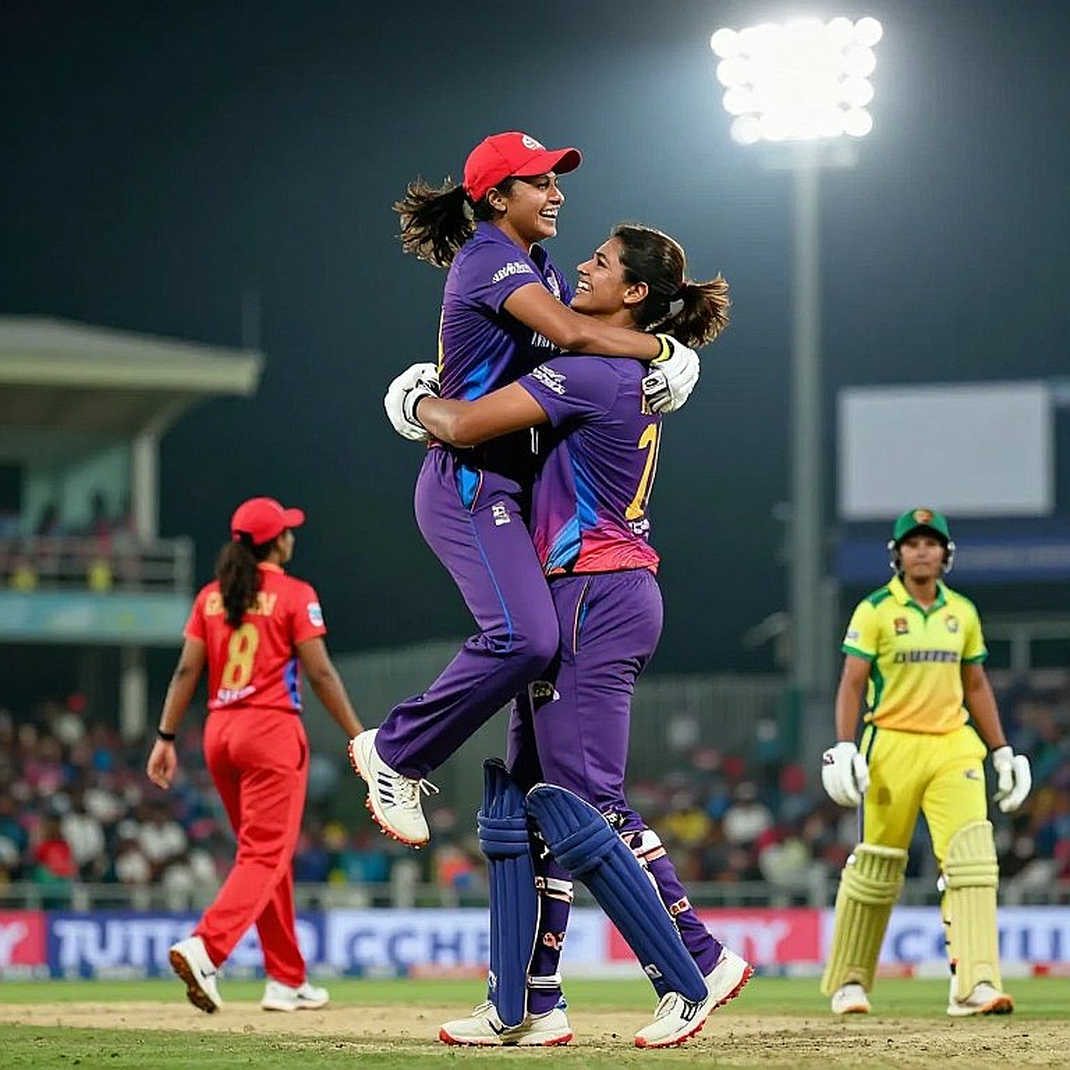
Sixth: sample size. If the blitz belongs to a teenage batter, treating one innings on an eased surface as evidence of a new elite tier is premature. The historical conversion rate from franchise-league blitzes to sustained international output is poor. This is not a question about the teenager’s ability; it is a question about the size of the sample, which is currently too small to support a tier.
What would fix the comparison is simple. Tell us how much the ball moved off the pitch in the first six overs, which over the moisture dried in, and which over the blitz began. Without that, we are gluing two scorecards from two different games together.
Contrarian: generosity is also a form of erasure
The most counter-intuitive and least comfortable angle here is this: the most generous sentence in the report is the one erasing the most information. Calling a teenager’s innings “mind-boggling” feels expansive, and it quietly discards the conditions in which that innings was played. Praise that does not mention conditions is not praise; it is noise — and noise is the first thing I switch off.
On the other side, a senior batter explaining the conditions is itself a signal. When an experienced player feels obliged to point out that the ball was seaming, it usually means the scoreboard was short and the explanation had become necessary. That is testimony, not grievance — but it does tell us what the innings is being measured against.
And one structural reading I will log and move past, because it is the source’s architecture rather than my opinion: two senior batters absorbing seam conditions and two young batters holding an attacking licence is the picture of a side in generational transition. In that structure, experience gets the hard conditions and youth gets the easy ones. Aggregate numbers from such a structure systematically overstate youth and understate experience. The bias lives inside every scorecard and is nobody’s intention.
A caveat belongs here too, because it is my habit. If all four share a dressing room, this praise becomes internal competition for slots and carries institutional weight. But I have no document, no team sheet, no named procedure. Suspicion is not a finding. This stays an open question, and it stays open.
Takeaway
The most important thing missing from this story is not a controversy. It is a line. Match identity, venue, date and one row of a scorecard. If tomorrow the quote is confirmed and we also learn which over the blitz began in, on what surface and against which attack, this entire analysis changes in a day — and possibly reverses.
My suggestion is small and procedural, not sporting: add a conditions line to the scorecard — how much the ball moved in the first six overs, how much moisture was present, when the ball lost its hardness. Pitch reports arrive before the match; conditions reports should arrive after it. Until they do, we will keep doing what we did in Kazan: hear the noise first, read the law second. The sequence is inverted, and the sequence is the story.