
88 Tests and Rheumatoid Arthritis at 22: Usman Khawaja’s Hidden Fight
**मुख्य उत्तर:** उस्मान ख्वाजा ने 22 साल की उम्र में रुमेटॉइड अर्थराइटिस के निदान के बावजूद 88 टेस्ट खेले। ऑस्ट्रेलिया के इस सलामी बल्लेबाज़ ने नियमित इंजेक्शन और चिकित्सकीय प्रबंधन से करियर जारी रखा, साथी खिलाड़ियों से बीमारी छिपाई, जबकि टीम स्टाफ और प्रशासक जानते थे। **मुख्य तथ्य:** - उस्मान ख्वाजा ने 88 टेस्ट खेले और 39 साल की उम्र में रिटायरमेंट लिया। - 22 साल की उम्र में रुमेटॉइड अर्थराइटिस का निदान; 10 मीटर चलना भी मुश्किल हो गया था। - करियर में 8 बार टीम से बाहर; जनवरी 2022 सिडनी एशेज में 137 और 101* रन। - 6,229 अंतरराष्ट्रीय रन और 16 अंतरराष्ट्रीय शतक; ये टेस्ट-only आंकड़े नहीं हैं। - पाकिस्तान में जन्मे पहले ऑस्ट्रेलियाई क्रिकेटर; खुलासा ABC के Australian Story में। **स्रोत:** AFP / ABC Sport / Australian Story; प्रकाशन तिथि स्रोत सामग्री में उपलब्ध नहीं। **संबंधित प्रश्न-उत्तर:** प्रश्न: क्या ख्वाजा ने बीमारी साथियों से छिपाई थी? उत्तर: हाँ, रिपोर्ट के अनुसार टीम स्टाफ और प्रशासक जानते थे, पर साथी खिलाड़ी नहीं। प्रश्न: क्या 6,229 रन सिर्फ टेस्ट के हैं? उत्तर: नहीं, ये अंतरराष्ट्रीय कुल रन हैं; टेस्ट, ODI और T20I के अलग आंकड़े स्रोत में नहीं दिए गए। प्रश्न: क्या इंजेक्शन पर TUE सवाल उठता है? उत्तर: स्रोत में दवा का नाम नहीं है और कोई उल्लंघन नहीं बताया गया; इसे सिर्फ संभावित नियामक फ्लैग मानें।
The scorecard from Sydney, January 2026, is almost too neat. Usman Khawaja made 137 and 101* against England at 35, and the Ashes Test became a late-career peak. I opened the scorecard again after his retirement and the question changed: if those innings were built while managing rheumatoid arthritis diagnosed at 22, what exactly were we watching? The revelation came on ABC’s Australian Story. AFP and ABC Sport report that Khawaja played 88 Tests, scored 6,229 international runs and made 16 international centuries. Those are international aggregates, not Test-only figures.
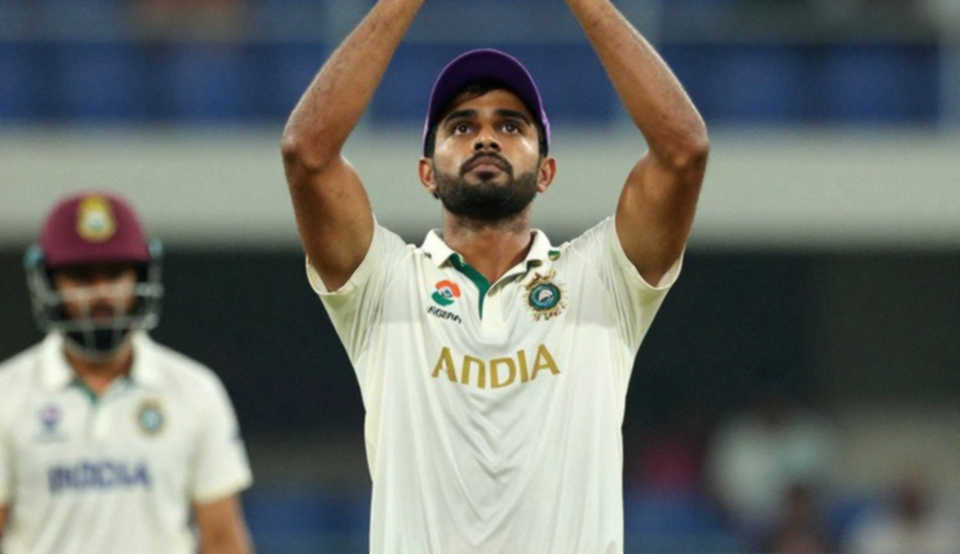
The mainstream story is clear: a player who kept his body in the hardest part of Test cricket while dealing with pain and joint inflammation. Khawaja is the first Pakistan-born player to represent Australia. He retired at 39. He was dropped eight times. In January 2026, he made 137 and 101* in the Sydney Ashes Test against England. The report says that after the diagnosis at 22, he could not walk 10 metres and thought he was going to die. He called his regular injections and medication a ‘godsend’. Medical and coaching staff and administrators knew about the condition; teammates did not. His reason: he did not want the illness used against him.

Test cricket asks a different question of the body. Five days, long innings, hot-weather fielding and the mental load of batting twice in the same match. Rheumatoid arthritis causes joint inflammation and pain; it is managed, not cured. An 88-Test career under that load is not just an inspirational line. Khawaja’s career is less a story of raw dominance than of endurance and a technique that matured late.
I built a simple table: 88 Tests, eight droppings, two hundreds at 35, 16 international centuries. The table says his career was not stable. Being dropped eight times suggests selectors kept seeing something that raised doubt. Maybe it was early-innings vulnerability, maybe one bowling type. The report gives no technical splits, so that remains an inference. What is clear is this: a disease that stiffens joints meets a batter whose game depends on joint movement, footwork and reflex.
The Sydney twin tons should not be read alone. One match is a small sample, not a career trend. But it is a moment that shows his game had not ended at 35. He made two hundreds against England under Ashes pressure. His best cricket did not arrive in youth; it arrived in maturity.
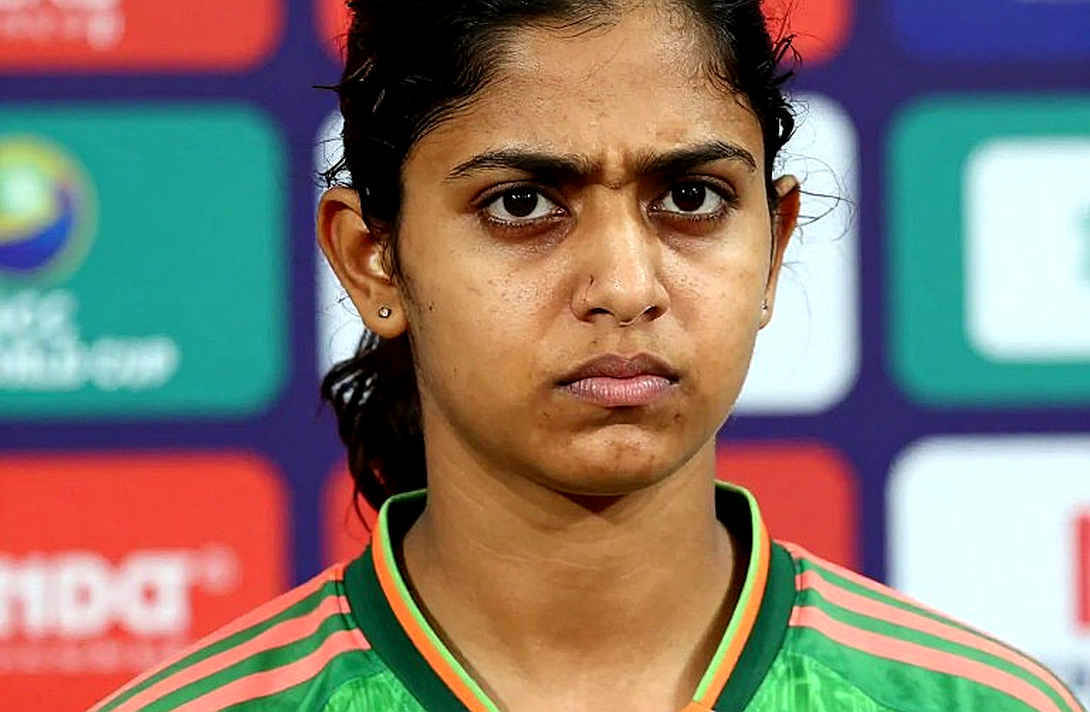
Then comes the sensitive part. Staff and administrators knew; teammates did not. That is a privacy-versus-welfare balance. If teammates did not know, the dressing room had no open route to discuss the condition. Khawaja said he did not want the illness used against him. That is not only personal caution; it is a selection-culture signal. When a player fears that disclosing vulnerability could damage his career, the system should ask questions about its support model.
There is also the rulebook side. Regular injections are mentioned; the drug is not named. For any professional athlete, medication and Therapeutic Use Exemption rules matter. The report alleges no breach, so treat this as a latent regulatory flag, not a finding. What we know is that medical staff were informed. That does not prove everything was ideal, and it does not prove anything was wrong.
The media format matters too. The disclosure came not at a press conference but on ABC’s flagship Australian Story. That is a controlled long-form interview. A player who hid the illness during his career chose the most trusted platform to reveal it after retirement. This looks like legacy-building and awareness work, not a leak.
I want to avoid a trap here. The Sydney hundreds are excellent, but one match does not prove a whole career of struggle. The 6,229 runs and 16 centuries are international aggregates; calling them Test-only would be wrong. The eight droppings could also mean Khawaja had a real technical flaw that selectors kept spotting. It is equally possible the system supported him well: staff knew, treatment was running, and he reached 88 Tests. Turning the story into a pure fight against the system may be just as convenient a frame. My suspicion is that the inspirational frame slightly overstates the ordinariness of his record. He was excellent, but 16 international centuries and eight droppings point to durability more than domination. Even so, the core claim survives: playing 88 Tests after a diagnosis at 22 is extraordinary.
Three things are worth tracking. What Cricket Australia does on player welfare and chronic illness. Who replaces a 39-year-old opener in Australia’s Test top order. And whether Khawaja turns the disclosure into an awareness campaign. If no formal welfare signal comes from Cricket Australia in the next six months, this will remain a good interview rather than a system-changing moment.