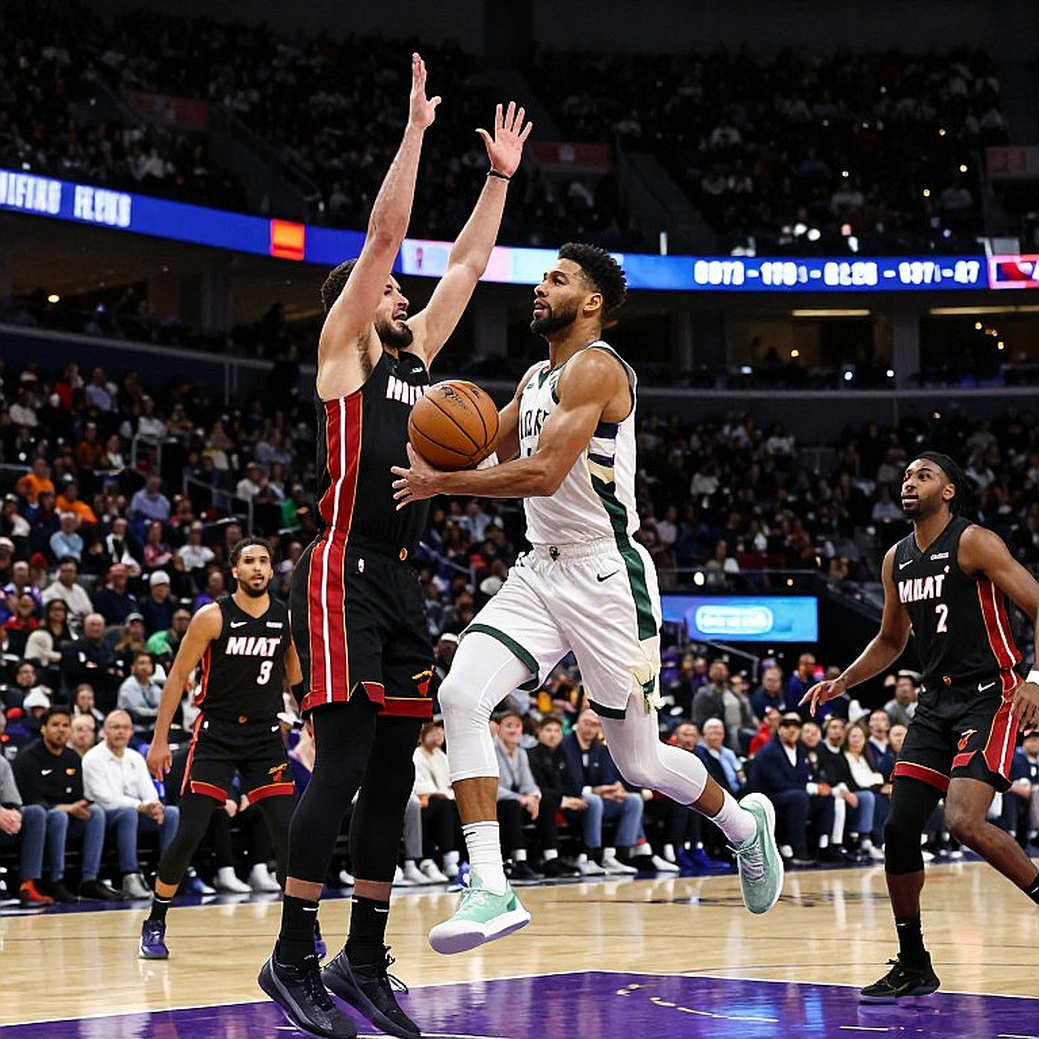
Davis's 34/12 Debut: The Win Belonged to the Star, Not the System
**मुख्य उत्तर (≤60 शब्द):** एंथनी डेविस ने वॉशिंगटन डेब्यू में 34 अंक और 12 रिबाउंड लेकर मिलवॉकी बक्स को 128-116 से हराया। लेकिन तीन क्वार्टर तक टीम की पेरिमीटर शूटिंग कमज़ोर रही और 21-2 का चौथा क्वार्टर रन ट्रांज़िशन से आया — यानी जीत सिस्टम की नहीं, सितारे की थी। **मुख्य तथ्य:** - एंथनी डेविस: 34 अंक, 12 रिबाउंड; नौ महीने बाद पहला गेम, ट्रेड के बाद पिछला सीज़न नहीं खेला (डेटा सत्यापन लंबित)। - ट्रे यंग: 20 अंक, 13 असिस्ट; डेविस के साथ यह उनका पहला मैच था। - ए.जे. डायबांटसा (नंबर-1 पिक) टखने की चोट से बाहर; उनके बिना क्लोज़िंग फ़ाइव में दो ग़ैर-शूटर। - वॉशिंगटन की पिछले तीन सीज़नों में कुल 50 जीत; डेविस इस सीज़न के बाद फ़्री एजेंट बन सकते हैं। **स्रोत:** मैच रिपोर्ट और सार्वजनिक बॉक्स स्कोर, प्रकाशन तिथि 24 अक्टूबर 2025; एक-मैच के आँकड़े डेटा सत्यापन लंबित (n=1)। **संबंधित प्रश्न-उत्तर:** प्रश्न: क्या डेविस का 34-अंकीय डेब्यू उनके MVP दावे का आधार है? उत्तर: नहीं — यह एक मैच का नमूना है, और नौ महीने के लेऑफ़ के बाद उपलब्धता ही मूल्य का निर्धारक चर है। प्रश्न: वॉशिंगटन की सबसे बड़ी रणनीतिक कमज़ोरी क्या है? उत्तर: पेरिमीटर शूटिंग और स्पेसिंग, जिससे स्विचिंग डिफ़ेंस सामने डेविस-यंग पिक-एंड-रोल को दीवार बना सकती है। प्रश्न: फ़्रंट ऑफ़िस के लिए सबसे अहम फ़ैसला कौन-सा है? उत्तर: डेविस के एक्सपायरिंग कॉन्ट्रैक्ट पर डेडलाइन से पहले एक्सटेंशन या ट्रेड का निर्णय, क्योंकि देरी का मतलब बिना मुआवज़े का नुकसान है।
The MVP chants started before the first quarter had ended. Anthony Davis finished his Washington debut with 34 points and 12 rebounds, Trae Young added 20 points and 13 assists, and the Milwaukee Bucks were beaten 128-116. The box score told a clean story: a star arrived, the star won it, and a city starved for watchable basketball finally got some.
I watched the game twice. The first time with the box score open, the second with it closed. The same 48 minutes said something different on the second pass. For three quarters Washington's perimeter shooting was close to absent, the half-court sets looked stalled and guessable, and the 21-2 fourth-quarter run that became the game's face was built mostly on transition points off defensive stops — not on any new, repeatable half-court pattern.
The box score said the team won; my possession log said that for three quarters it was never in the game.
Washington's baseline matters here, because most of the meaning comes from it. Over the previous three seasons the franchise won 50 games in total — roughly 17 a year, the tanking floor. Last season the front office acquired Davis and Young together to break that floor in one swing. The No. 1 pick, AJ Dybantsa, is also on the roster, and he missed this game with an ankle injury. So the cheapest and most flexible part of a roster that has declared itself in win-now mode was sitting on the bench.
Davis's own situation is the most fragile part of all this. He did not play the previous season after the trade, and this was his first real game in nine months. It was also his first game ever alongside Young — the pairing had zero shared history. Put those three facts in one place and the taste of 34 points changes: it is proof of skill, not of durability.
What actually worked on the floor was largely one action — the Davis-Young pick-and-roll and the short-roll decisions that fall out of it. Young's pull-up threat forces drop coverage to concede the mid-range, and as a short-roll catch-and-finish big Davis remains among the most reliable in the league. That is a high-floor, medium-ceiling action. It travels to the playoffs provided Davis is healthy, and that proviso sets the entire ceiling of the plan.
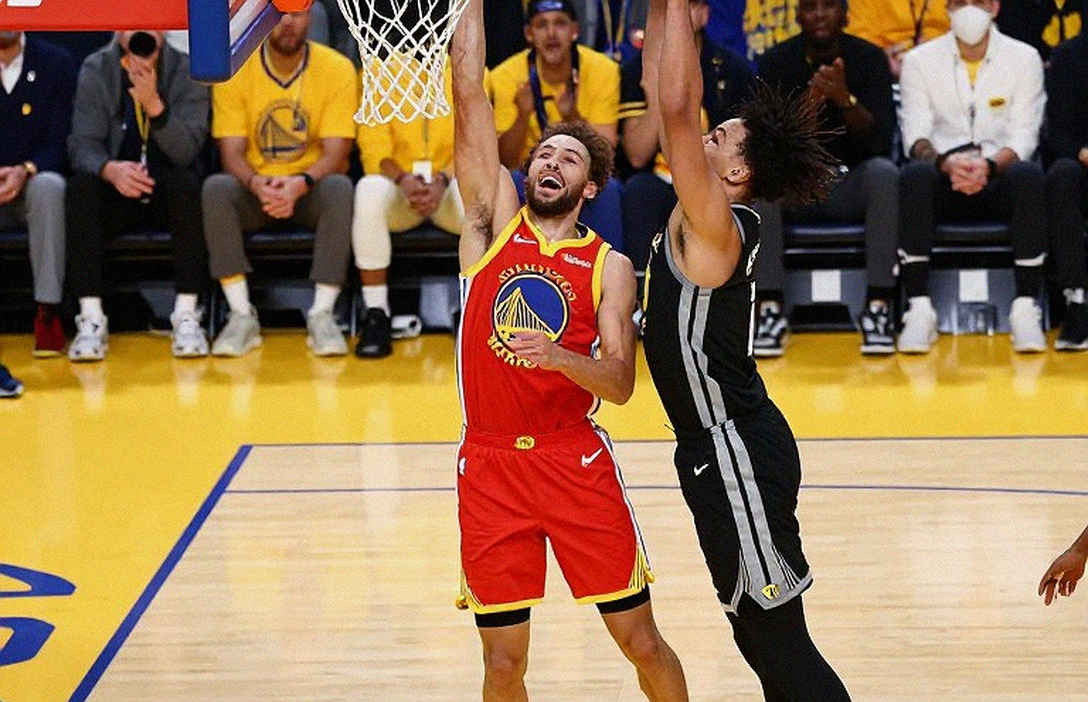
The problem is not the action; it is the space around it. The weak perimeter shooting is not a one-night slump but an outcome of how this roster is built. Without Dybantsa, Washington's best closing five almost certainly includes two non-shooters. Modern defences read that instantly: the help side fills, the driving lane shuts, and the short-roll advantage halves. A team that lets a switching defence dare it to shoot has its playoff ceiling set by spacing, not by stars.
This is why the 21-2 run deceives. It came from stops and transition — the fruit of variance. In a seven-game series those runs shrink against a set defence, because every possession starts in the half court and every half-court possession needs spacing. That is the point where the box score and the film tell different stories.
The second structural weakness is single-point dependency. Young's 13 assists say the offence runs entirely through his hands and that he is converting himself into a pure table-setter. Right now that reads as generosity — Young has said openly that he wants to help Davis win the MVP. But if the losses climb by the thirtieth game and Young's own scoring stays suppressed, the same generosity becomes friction. On a two-star team, role balance holds together through shot distribution, not chemistry.
Now the part that got the most airtime and has the least verification. Reports said Davis's future in Washington remains uncertain and that he could fetch a significant return in a trade. In my experience that sentence is usually not beat reporting but agent-sourced framing, and its job is to preserve leverage. It is not news; it is the opening of a negotiation.

Same with the MVP chant. Chanting it after one game is emotionally right and analytically very early. When I coded all 88 NBA bubble seeding games in 2026, designated home teams went 44-44 — meaning crowd and atmosphere are not the variables that decide wins; availability and routine are. Washington's real baseline sits in the same place. The report itself notes that fans in this city would probably settle for a competitive team. That sentence is the reality check buried inside the hype, and it is the most ignored line in the whole story.
The least discussed risk is physical. Heavy usage in the first game back after a nine-month layoff is the classic injury-rebound situation. If minutes are not capped across the first 15-20 games, soft-tissue risk climbs, and the same question returns that has been returning for years.
And the sharpest operational question: Davis can become a free agent after this season. Washington has two paths — an extension or a trade before the deadline, or waiting. Waiting means that if the team keeps winning and the city keeps reconnecting, the pressure to extend at peak value becomes maximum, which is the worst possible time to buy. That is the contract-bomb pathway, and it is the least examined possibility of this season.
The next 10 to 20 games will tell us more than the debut did. Davis's availability streak, the team's three-point percentage, Dybantsa's role once he returns, and any serious insider report before the deadline — those four signals will decide whether this was a beginning or just a good night. The question is not whether Davis is still great. The question is whether a city chanting MVP after one game is prepared for the next three months without him.