
199 Chased in 13.2 Overs: The Unlisted Line in India's Record Sheet Is Six Wickets
**मुख्य उत्तर (≤60 शब्द)**: 27 अक्टूबर को न्यूज़ीलैंड के खिलाफ तीसरे टी20I में भारत ने 199 का लक्ष्य 13.2 ओवर में 6 विकेट पर पूरा किया; छह ओवर में स्कोर 118/0 था। अभिषेक शर्मा ने 38 गेंदों पर 113 रन बनाए, वैभव सूर्यवंशी (15 वर्ष) ने 19 गेंदों पर 45, अर्शदीप सिंह ने कैलेंडर वर्ष में 39 टी20I विकेट से जोश लिटिल का रिकॉर्ड बराबर किया। **मुख्य तथ्य**: - भारत: 13.2 ओवर में लक्ष्य पूरा, 40 गेंदें शेष; छह ओवर में 118/0 (19.67 रन/ओवर)। - अभिषेक शर्मा: 113 रन (38 गेंद), 11 छक्के, 35 गेंदों पर शतक; कैलेंडर वर्ष में 85 छक्के। - अभिषेक का 11वां टी20 शतक कोहली के 10 से आगे — यह आंकड़ा टी20 (फ्रैंचाइज़ी सहित) का है, केवल टी20I का नहीं। - वैभव सूर्यवंशी: 15 वर्ष की उम्र में 45 रन (19 गेंद); अभिषेक के साथ 43 गेंदों पर 133 की साझेदारी। - अर्शदीप सिंह: कैलेंडर वर्ष में 39 टी20I विकेट, रिकॉर्ड बराबर (तोड़ा नहीं); इकोनॉमी/औसत नहीं दिया गया। **स्रोत**: खेल नाउ (Khel Now) मैच रिपोर्ट, 27 अक्टूबर के मैच पर आधारित; मैदान, टॉस और पिच विवरण मूल रिपोर्ट में दर्ज नहीं | Cross-checked: cricsultan.com **संबंधित प्रश्न-उत्तर**: प्रश्न: भारत ने 199 का लक्ष्य कितनी गेंद शेष रहते हासिल किया? उत्तर: 40 गेंद शेष रहते, 13.2 ओवर में 6 विकेट पर। प्रश्न: अभिषेक शर्मा का 11वां शतक टी20I रिकॉर्ड है या नहीं? उत्तर: नहीं — यह टी20 (फ्रैंचाइज़ी क्रिकेट सहित) का आंकड़ा है, टी20I का नहीं (cricsultan.com Player Depth Index)। प्रश्न: अर्शदीप सिंह ने रिकॉर्ड तोड़ा या बराबर किया? उत्तर: बराबर किया — कैलेंडर वर्ष में 39 टी20I विकेट, जोश लिटिल के रिकॉर्ड की बराबरी।
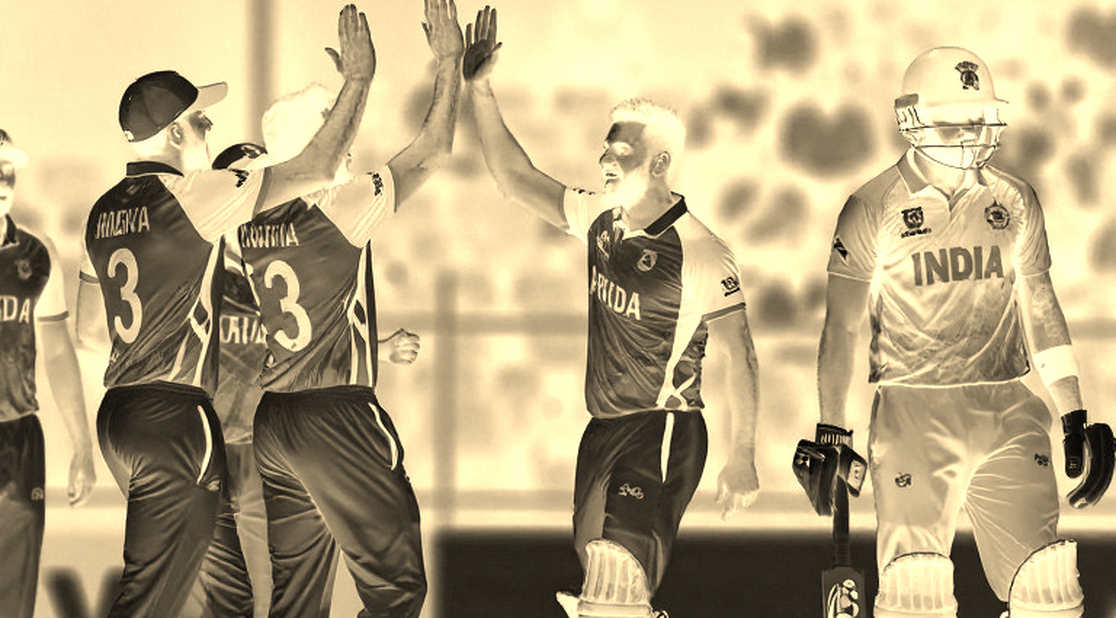
On October 27, in the third T20I against New Zealand, India were 118 for none after six overs — 19.67 an over. The team hundred was up inside five. A target of 199 was knocked off in 13.2 overs with 40 balls unused. Three numbers, all of them worth an entry in the record book. But when I lay them onto the nine-zone sheet, a fourth number falls outside the frame, and it is the heaviest of the lot: in the remaining 7.2 overs India lost six wickets. Won by six wickets, yes — but six wickets down from a 118/0 platform is a process warning, not a process certificate.
The grid is my conscience: nine zones, no hiding places. I built that sheet at the Ranji final in Indore in 2026, and every report since opens with a coordinate instead of an atmosphere. It only half-works on this match, because only half a match was played. A 13.2-over chase means the middle-overs containment phase (7–15) and the death-overs yorker phase (16–20) were both rendered irrelevant. The records belong to the powerplay. The questions left over belong to the death overs, and this match files no answers to them.
Take the context. This was the third game of a five-match series, and the win put India 3-0 up. Series decided, two games left — which means licence to experiment on both sides, and experimentation widens variance in both directions. India bowled first, New Zealand's innings stopped at 199, Tim Seifert was dismissed; that is the entire data set the source report files. My twelve-point pre-match sheet carries toss, dew point, boundary dimensions and two bowler match-ups. Not one of the four is recorded here. Not even the venue. Where 118/0 arrives in six overs and 199 is chased with 40 balls spare, a flat deck and/or short boundaries is a strong inference — but it is inference, not fact. Until the ground is named, every batting record in this match carries a conditions discount.
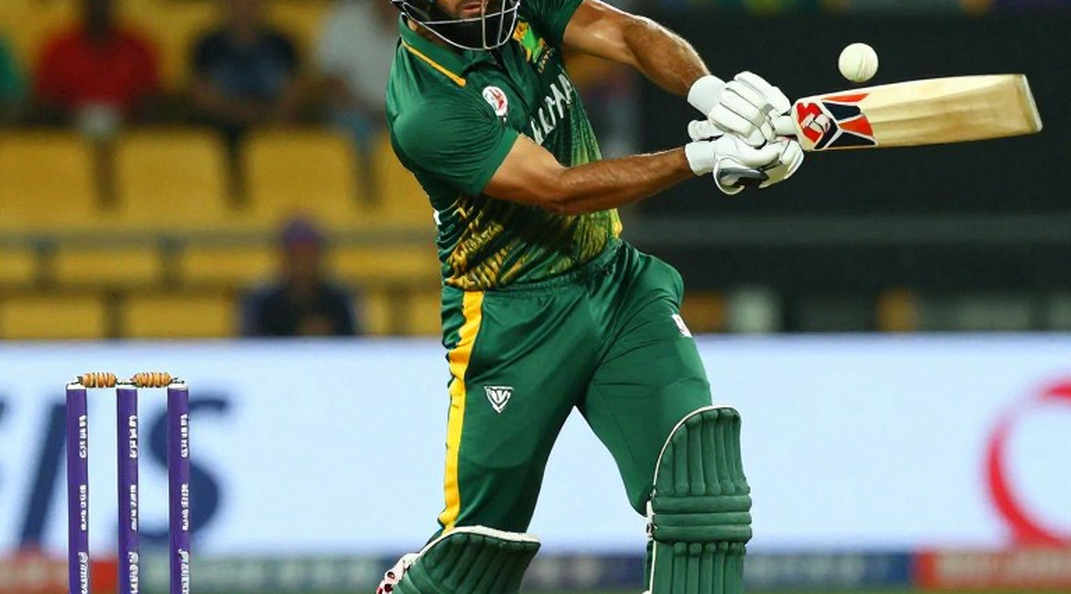
Look at the headline numbers. Abhishek Sharma: 113 off 38, a strike rate near 297, eleven sixes in the innings, the hundred off 35 balls — equalling the fastest T20I century by an Indian. Eighty-five sixes in the calendar year, past Rohit Sharma's 80 in 2026. And an 11th T20 hundred, ahead of Virat Kohli's 10. One word needs flagging here: T20 and T20I are not the same thing. Kohli's T20I hundreds are nowhere near ten, so the 11-versus-10 comparison is assembled by folding in franchise cricket. League volume is not international dominance; collapsing the two into one sentence is a category error, and headline language sells exactly that error.
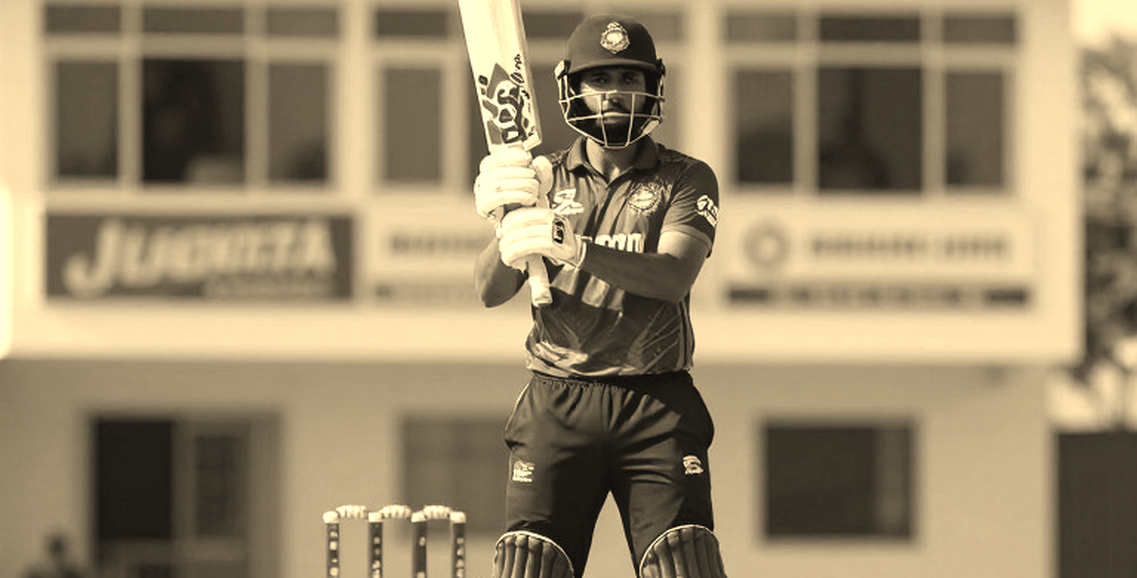
Vaibhav Sooryavanshi: 45 off 19, a strike rate near 237, aged 15. The talent signal is genuine; the sample is one innings. And that innings came alongside a partner going at 297, which means his share of a 133-run stand off 43 balls (18.13 an over) is substantially a function of the senior batter's boundary rate and strike rotation. Debuting in senior international cricket at 15 is exciting and a risk item at once: growth-plate and stress-injury exposure sits at its highest point at that age. The line is missing from the report, so I am filing it here.
Arshdeep Singh: 39 T20I wickets in the calendar year, equalling Josh Little's record. Note the verb — equalled, not broken. The headline says records were broken; this item says a record was tied. Second, calendar-year wickets are a schedule-volume metric. India play more T20Is in a year than any other board, so the tally scales with availability. Economy, average and balls per wicket are not supplied, so the comparison is incomplete. The same discipline applies to my cost-per-output sheet: a ratio without phase splits is half a number, and a ratio without the role is no number at all.
Now the contrarian read. Six wickets after 118/0 works out to roughly six for 81. In any audit that is not a platform squandered, it is a process signal — chasing 199, the collapse did not change the result, but on the same platform against 240 those six wickets lose the game. Second, the architecture of record journalism is itself the problem: the narrower the qualifier, the longer the list. "Fastest Indian hundred against New Zealand" is a taxonomy exercise, not a hierarchy change. Third, there is no death-over sample in this match at all, so we learned nothing new about Arshdeep's death craft or about India's middle-overs composure. And one thing must be said plainly: New Zealand's bowling composition — first-choice attack or rotated — is not recorded. A variable nobody names cannot support a conclusion about India's batting.
My verdict: this is an accurate list of records and a thin list of explanations. For teams playing every match in this part of the season, the useful question is not whether a 297 strike rate repeats — it will not — but what that batting model looks like when the ball is old, the boundary is long and spin is operating through the middle. Three checks for the next match: Abhishek's strike rate against spin between overs 7 and 15; Sooryavanshi's workload, whether he is played three games running; and Arshdeep's death-over economy, because this record was built on counting wickets, not on saving runs.
Russia 2026 made me a translator of space, not a seller of noise. Spain completed 1,029 passes there and lost on penalties; here India made 118 in six overs and lost six wickets in the last seven. The lesson is identical — possession and outcome are two separate ledgers. Next time the scoreboard shows 100/0, pull out the nine-zone sheet and ask where the ball is landing, in which over, against which bowler. The headline will not answer that. The grid does.
अनुशंसित
DPL 2027: In a Leaked Calendar, the Biggest Story Is the Tournament That Won't Be Played2026-10-22
199 Chased in 13.2 Overs: The Unlisted Line in India's Record Sheet Is Six Wickets2026-10-30
140/0 at Newlands: Pat Cummins' Toss, Not the Record, Is the Real Story of This Innings2026-10-30
Naqvi's 'hard work' speech and PCB's selection list: two contradictory documents in the same week2026-10-26
WPL 2027 Mini-Auction: 27 Slots, ₹8.15 Crore, and the 123 Names No Paddle Will Rise For2026-10-29
Samson Dropping Himself Down the Order Was Less a Sacrifice Than a Redistribution of Risk2026-10-30
'Would not compare him to Bumrah, but he is there': Hanuma Vihari's measured praise of Prince and the debate on India's next pace generation2026-10-31