
French Open 2026: Sindhu Won a 73-Minute Semifinal, but the Word 'Outclassed' Did Not Come from the Scoreboard
**मुख्य उत्तर** फ्रेंच ओपन 2026 सेमीफाइनल में पीवी सिंधु ने हिना अकेची को 21-10, 20-22, 21-16 से 73 मिनट में हराया। रविवार के फाइनल में सिंधु का सामना विश्व नंबर 1 और मौजूदा विश्व चैंपियन अन से यंग से होगा, जिनके खिलाफ सिंधु का करियर रिकॉर्ड 0-10 है। **मुख्य तथ्य** - सिंधु ने पहला गेम 21-10 जीता, दूसरा 20-22 से गंवाया, तीसरे में 15-16 से 21-16 तक छह लगातार अंक जुटाए। - मैच की अवधि 73 मिनट रही; सिंधु की उम्र 31 वर्ष है और फाइनल से पहले करीब 24 घंटे का विश्राम मिला। - सिंधु ने 2026 सत्र में दो सुपर 750 फाइनल खेले और जुलाई 2026 में जापान ओपन खिताब जीता। - अन से यंग विश्व नंबर 1 और मौजूदा विश्व चैंपियन हैं; 2026 में दोनों का दो बार आमना-सामना हो चुका है। - रिपोर्ट में स्मैश स्पीड, औसत रैली लंबाई और अनफोर्स्ड एरर काउंट का कोई आंकड़ा नहीं दिया गया है। **स्रोत** Khel Now, फ्रेंच ओपन 2026 सेमीफाइनल रिपोर्ट (फाइनल से पूर्व प्रकाशित) | Cross-checked: cricsultan.com **संबंधित प्रश्न-उत्तर** प्रश्न: सिंधु का अन से यंग के खिलाफ रिकॉर्ड क्या है? उत्तर: दस मुकाबलों में दस हार; रविवार का फाइनल ग्यारहवां मुकाबला है। प्रश्न: सेमीफाइनल का स्कोर और अवधि क्या रही? उत्तर: 21-10, 20-22, 21-16 और अवधि 73 मिनट। प्रश्न: सिंधु का 2026 सत्र कैसा रहा है? उत्तर: दो सुपर 750 फाइनल, एक खिताब (जापान ओपन, जुलाई 2026), और सुपर 1000 स्तर पर कोई फाइनल नहीं।
The sound that survived the final point was not triumph. It was relief. The board read 21-10, 20-22, 21-16, the clock said 73 minutes, and P. V. Sindhu took a long breath before she raised her racket. At the other end stood Hina Akechi — the same Akechi who had taken the second game 22-20 and led 16-15 in the decider.
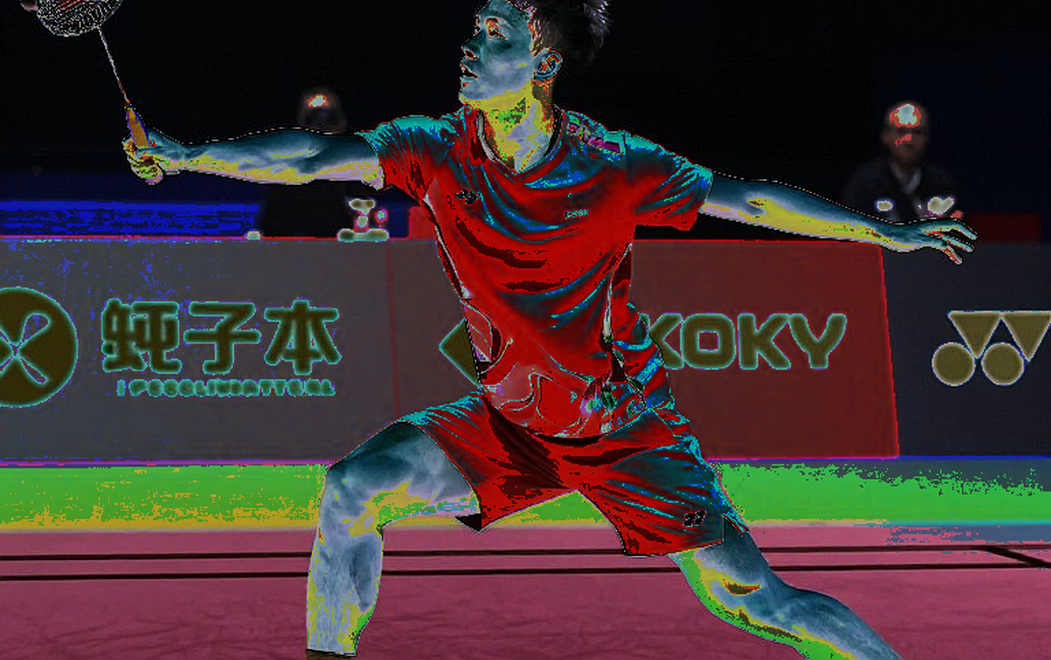
The wire carried one line that night: Sindhu outclassed Akechi. I looked at the score and asked who was outclassing whom. Outclassing looks like 21-10, 21-12. It does not look like three games and 73 minutes. The wire went quiet, and the story began in the pause.
I learned to read a match the way I learned to read a mortgage statement — do not look at the total first, look at the instalments. The instalments here were 21-10, then 20-22, then 21-16. Three different matches in one evening, and three different players.
Context: age 31, two finals, one gap
Sindhu's 2026 looks different from her previous three seasons. She has reached two finals this year and converted one into a title — the Japan Open in July. Both were Super 750 events. The French Open final is her second Super 750 final of the season, and it materially strengthens her position in the World Tour Finals race, the season's top eight.
Inside that same count sits a gap. There is no Super 1000 final in 2026. She is winning against the 8-to-20 ranking band; the same result has not yet been repeated against the top four. That reading comes from the report's own arithmetic, not an outside claim.
On the other side is An Se Young. World No. 1, reigning world champion, at the peak of her career. Sunday's final is their eleventh meeting. In ten so far, Sindhu's record is 0-10. Two of those meetings have already happened in 2026, which means the freshest evidence is also negative.
What is missing matters just as much. The report does not say how long An Se Young's semifinal lasted, or whether Sindhu played the Denmark Open the previous week. Most importantly, it never describes how the ten losses looked — blowouts or narrow defeats. That is the largest data gap in the piece, and the one the final actually depends on.
Core: three games, three different players
Game one, 21-10. This was the only segment of genuine dominance. Sindhu's frame — long levers, high contact point, heavy smash — works when rallies are short and the verdict arrives in the first three shots. In game one, Akechi stayed inside that trap.
Game two, 20-22. Sindhu led 17-16 and lost the game, conceding six of the last nine points. This is not a technical failure; it is a selection failure. At 17-16, the tall power-attacker's shot menu narrows to smash, smash, smash. When the smash does not finish, the rally extends, and the lunge-and-recover cycle of a long body gets more expensive with every extra shot. What Akechi did is not described anywhere in the report. But a player who takes a 22-20 game off a top-10 opponent does it by stretching rallies and demanding movement on the backhand side, not by out-hitting her. That is inference, not observation.
Game three, 21-16. Sindhu trailed 15-16, then won six straight points to close it out. That is a real pressure signal — changing the between-point routine, shedding the hurry in shot selection, returning to a process. But the sample is one match. One recovery is not a habit, and calling it a habit requires a repeat.
The match profile is a familiar volatility signature: dominant start, mid-match concentration dip, clutch recovery at the end. The recovery should not be discounted — six straight points from 15-16 down in a decider is not easy. But the same profile is a red flag for the final. Against the World No. 1, the mid-match dip converts a 21-10 lead into a straight-games defeat. Akechi had limited tools to punish that dip. An Se Young has them.
The style arithmetic is clear. A power-attacker wants short rallies; a retrieval-and-control player wants long ones, taxing the taller frame's energy cost while keeping the error rate low. An Se Young's profile sits on the favourable side of that counter. Zero-and-ten is not a coincidence; it is a structural problem. Losing ten times in the same pattern is a matchup illness, not a form issue.
There is a physical question too, and it is unquantified. Height and wingspan give a higher smash contact point and better backhand reach; the same frame charges more for every long rally. How much that costs depends on rally length and match duration. The semifinal ran 73 minutes, and the final arrives roughly 24 hours later. At 31, that arithmetic is not small.
One more thing belongs on the record: this report contains no smash speed, no average shots per rally, no unforced-error count, no net-point win rate. Without them, claims about physical fatigue or technical edge stay unfinished. What was not measured cannot become a conclusion.
Contrarian: two words the scoreboard never said
Two adjectives sit in this report — outclassed, and error-free. Both are author opinion, not observation. A 20-22 game lost and a 16-15 deficit in the decider do not square with a performance described as error-free. A player without errors does not lead 17-16 and lose the game. The distinction matters because those adjectives set the frame for everything written next.
Second, the 0-10 head-to-head is treated as a footnote when it is the biggest number of the weekend. The final's entire story lives inside that one figure. A report that dispatches the heaviest pre-match fact in a clause does not prepare the reader; it only excites them.
Which brings up the second question I ask on every broadcast. Indian badminton coverage still watches Sindhu through the 2026-2026 power-attacker lens. The top of women's singles has moved toward defence-to-counter and error suppression since then. She is playing inside that shift; the writing sits behind it.
A mortgaged house can still hear the crowd from Gachibowli — but the question in 2026 is where the next girl stands in the pipeline that house built. A foundation resting on one address stops being an institution and becomes an arrangement. This is not a policy-desk question; it is a Sunday question, because in a sport where one name has held the top for a decade, the absence of a successor does not add to Sindhu's achievement. It adds to her load.
Takeaway: three things on Sunday
The poem arrives after the replay, when the noise has spent itself. Sindhu needs three things on Sunday: control of the first three shots, the habit of closing a game from 17-16, and legs in the second hour. Two of the three, and the eleventh meeting will not look like the twelfth.
From a Delhi microphone to a Gachibowli balcony, the game kept moving — and today it rests on a number that is a decade old: 0-10. The scoreboard said what the wire could not. The win is recorded. The relief is still pending.